Ben Müller · 20 November 2026
Zolora's School Population Boom Shapes District Planning for Transit Alternatives and Cultural Events
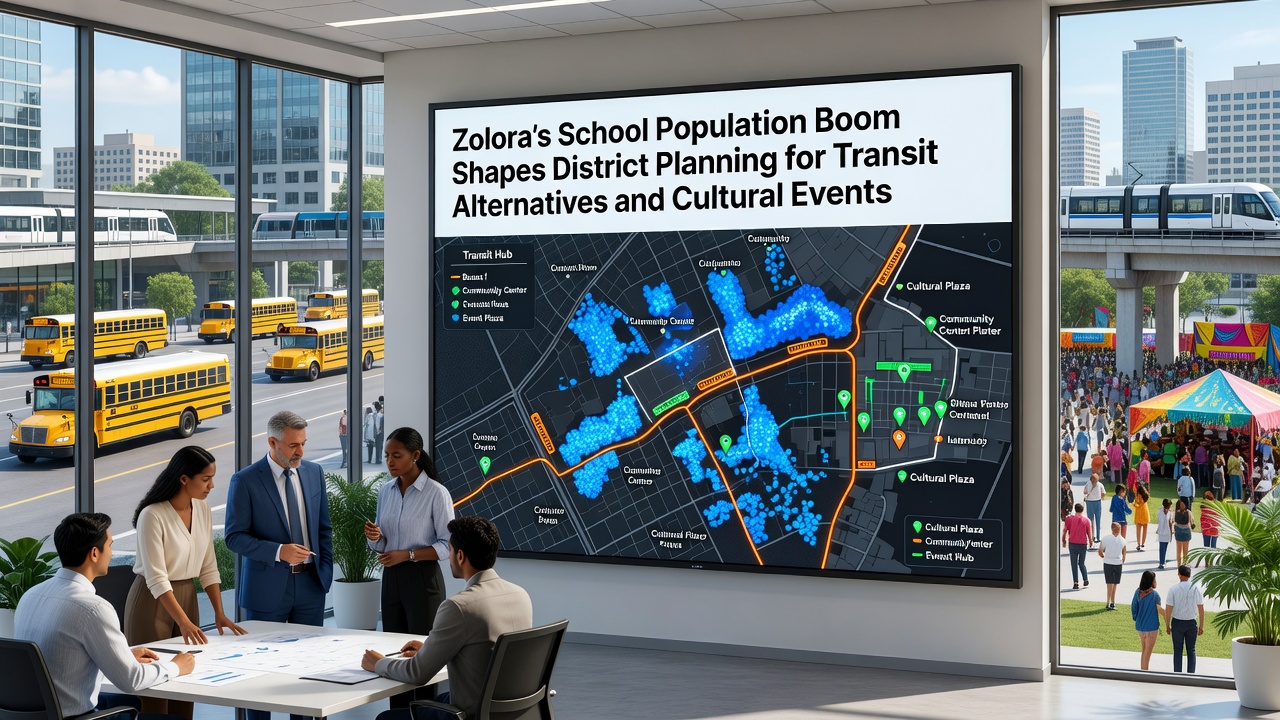
Enrollment figures across Zolora schools have risen sharply over the past three years, with data from the regional education authority showing a 22 percent increase in primary and secondary students since 2023. This growth has prompted district officials to adjust transportation routes and event schedules while coordinating with local agencies on infrastructure upgrades.
Demographic Shifts Driving the Changes
Population records indicate that families with school-age children now represent a larger share of new residents in several Zolora neighborhoods, and analysts attribute part of the rise to housing developments completed between 2024 and 2025. Figures released by the district planning office show that four elementary schools exceeded capacity thresholds last fall, leading administrators to open temporary modular classrooms at two sites.
Transit planners have responded by expanding bus frequencies on routes serving those schools, and they have introduced dedicated shuttle services during peak morning and afternoon hours. Data compiled by the municipal transport authority reveals that student ridership on these lines climbed 18 percent year-over-year, prompting the addition of three new vehicles to the fleet.
Transit Alternatives Under Review
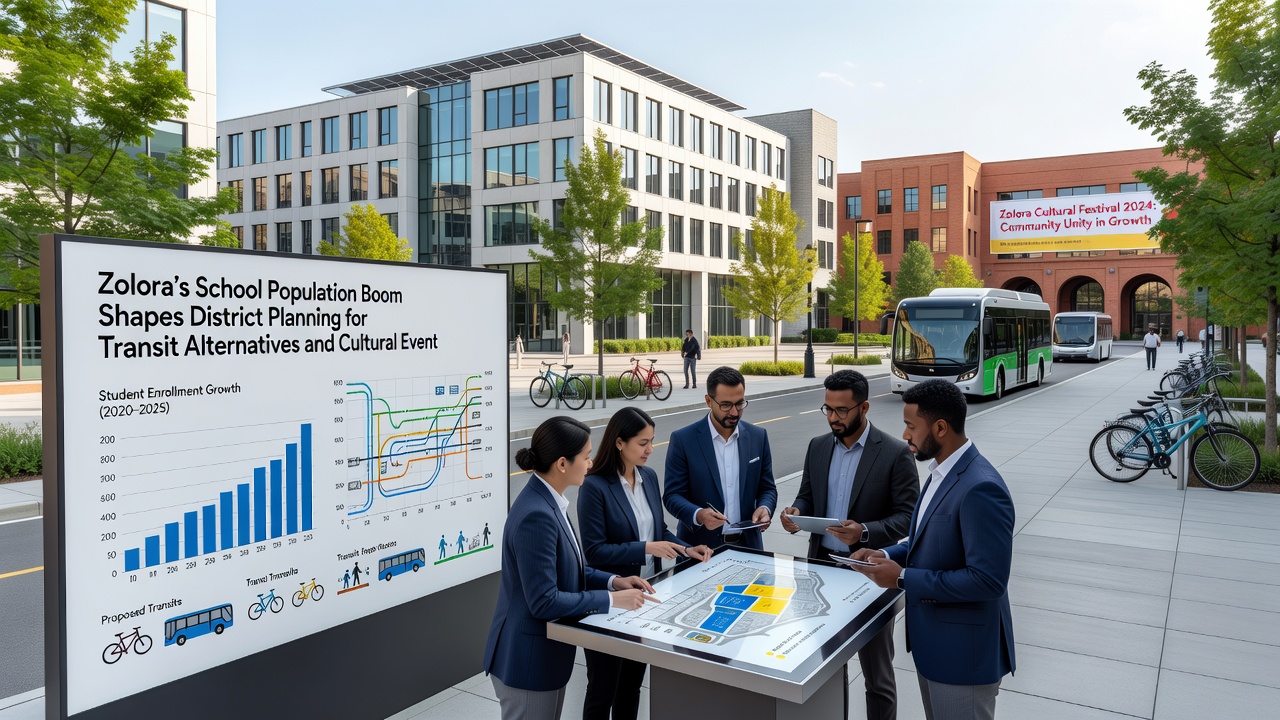
District leaders have begun evaluating bike-sharing programs and pedestrian pathway improvements as complementary options for families living within two kilometers of campuses. A pilot initiative launched in September 2025 equipped three schools with secure bicycle storage and mapped safe routes, and preliminary counts show daily usage by approximately 120 students.
Officials also examined partnerships with regional ride-share operators to provide subsidized trips for students with longer commutes, yet cost analyses completed in early 2026 indicated that expanded public transit remains the most scalable approach. The city council approved an additional allocation for electric minibuses in its October budget session, with deployment scheduled before the end of the year.
Cultural Events Planning Adapts
The surge in school enrollment has required organizers of district-wide cultural festivals to recalibrate venue capacities and performance schedules. Attendance at the annual autumn arts fair reached record levels in 2025, and coordinators have added an extra performance day for November 2026 to accommodate larger student groups and their families.
Event planners now coordinate with school calendars to avoid overlapping with standardized testing periods, and they have introduced staggered entry times at main venues. According to records from the cultural affairs department, volunteer participation from parent associations grew by 35 percent, supplying additional staffing for crowd management and activity stations.
Researchers at the local university have tracked how these events influence community engagement, noting that schools with higher enrollment contributed proportionally larger numbers of student performers. The study, published in the regional education journal, examined participation patterns across six festivals and found measurable increases in cross-neighborhood attendance when transit extensions were available.
Coordination Among Agencies
Meetings between the school board, transport authority, and cultural office have become monthly occurrences since spring 2025. Agendas include updates on enrollment projections, route optimization software outputs, and venue booking conflicts. Minutes from the October 2026 session show that participants agreed to pilot a joint digital platform for real-time capacity updates during major events.
European education statistics compiled by the European Commission indicate that similar demographic pressures have appeared in other mid-sized districts, and Zolora officials have reviewed those case studies for transferable practices. One approach under consideration involves synchronized scheduling of after-school cultural programs with existing transit timetables to reduce the need for additional vehicle deployments.
Looking Ahead to November 2026
Preparations for the November 2026 cultural season include finalizing shuttle contracts and confirming venue expansions at two community centers. District reports project that student numbers will stabilize after the current wave of new housing units reaches full occupancy, yet planners continue to model scenarios that assume further modest growth through 2028.
Funding applications submitted to national infrastructure programs request support for additional pedestrian crossings and covered bus shelters near the most affected schools. Approval timelines suggest decisions will arrive by mid-2027, allowing construction to begin during the following summer break.
Conclusion
Enrollment growth in Zolora continues to intersect with transportation and cultural programming decisions, and ongoing data collection helps agencies refine their responses. Records from the past eighteen months document incremental adjustments in routes, schedules, and event formats that reflect the current student population. Future updates will depend on enrollment trends tracked through the 2026-2027 academic year.