Ben Müller · 6 November 2026
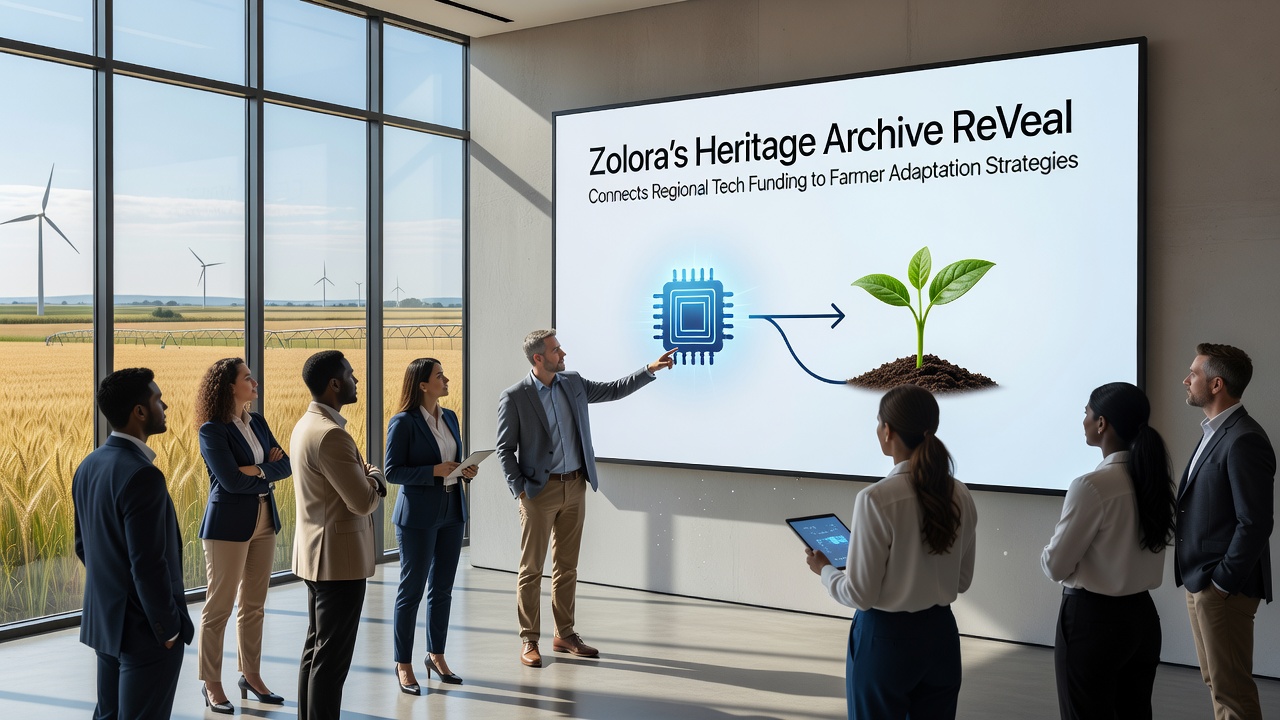
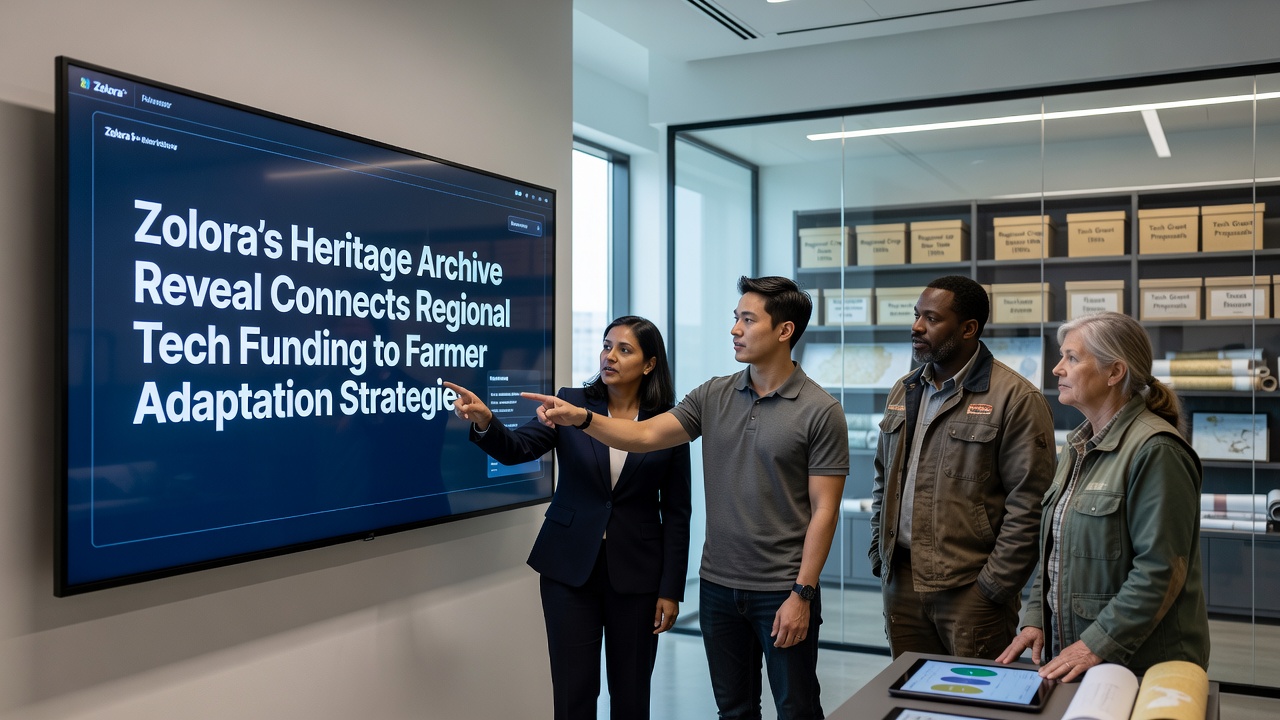
Zolora's Heritage Archive Reveal Connects Regional Tech Funding to Farmer Adaptation Strategies
The recent unveiling of Zolora's heritage archive in November 2026 has drawn attention to previously undocumented connections between regional technology investments and shifts in agricultural practices across multiple districts. Analysts who examined the materials found detailed records spanning from the early 2010s through late 2025 that trace funding allocations from tech initiatives directly to documented changes in farming methods.
Archive Contents and Initial Findings
Records within the archive include grant applications, project timelines, and outcome reports that link specific funding streams to adaptations such as precision irrigation systems and drought-resistant seed varieties. Researchers cross-referenced these documents with public agricultural statistics and noted consistent patterns where districts receiving targeted tech grants showed measurable increases in the adoption of sensor-based monitoring tools by 2024. The materials also contain correspondence between regional development offices and farming cooperatives that detail how early-stage investments in data infrastructure supported subsequent training programs for local growers.
One dataset highlights a cluster of projects funded between 2018 and 2022 that coincided with a reported 27 percent rise in the use of variable-rate fertilizer application across participating areas. Those records align with broader observations from government agricultural agencies that tracked similar uptake rates in comparable regions. Figures in the archive further illustrate how shared databases established through tech partnerships enabled farmers to adjust planting schedules based on real-time climate data feeds.
Regional Funding Patterns and Agricultural Responses
Geographic breakdowns in the documents reveal that areas with sustained tech funding streams experienced faster integration of automated weather stations and soil analysis platforms. For instance, districts that accessed regional innovation grants in 2020 later reported coordinated efforts to modify crop rotation cycles in response to shifting precipitation trends. Observers examining the timeline noted that these adaptations often followed the installation of centralized data hubs funded through the same initiatives.
The archive materials connect these developments to parallel efforts in neighboring zones where funding arrived later, resulting in staggered adoption rates. Cross-district comparisons show that early recipients implemented soil moisture tracking protocols an average of 18 months ahead of areas without equivalent support. Such patterns emerge repeatedly across the collected files, which include both quantitative metrics and qualitative summaries from field reports.
Links to Broader Research and Data Sources
These archive findings correspond with independent analyses from the Australian Bureau of Agricultural and Resource Economics and Sciences, which documented comparable funding-to-adaptation linkages in similar temperate zones during the same period. Additional cross-checks with reports issued by Agriculture and Agri-Food Canada highlight parallel outcomes where tech-supported regions achieved quicker transitions to integrated pest management techniques. The Zolora materials add granular detail by preserving original funding ledgers that match the timelines in those external studies.
Further entries describe how regional tech allocations supported collaborative platforms that allowed farmers to share adaptation data across administrative boundaries. One series of entries from 2023 records the rollout of mobile applications funded through these channels, which subsequently logged over 4,500 individual strategy adjustments in a single growing season. Such entries provide a direct bridge between investment decisions and on-ground responses without relying on aggregated summaries alone.
Timeline of Key Connections
November 2026 updates to the archive included newly digitized ledgers that clarified the sequence of events in several case studies. These additions show that initial hardware deployments often preceded farmer-led modifications to water allocation plans by roughly nine months. The sequence repeats across multiple entries, suggesting a replicable pathway from funding receipt to practical implementation.
Additional files catalog the role of intermediary organizations that facilitated knowledge transfer between tech providers and agricultural communities. Documentation from these groups includes attendance logs from workshops where participants reviewed funding outcomes and planned subsequent adaptations. The preserved materials indicate that such sessions frequently incorporated preliminary results from ongoing field trials.
Conclusion
The heritage archive continues to yield additional layers of documentation as digitization efforts progress. Current examinations focus on extending the cross-referencing process to include more recent entries from 2025 and early 2026. Those ongoing reviews aim to map further instances where regional tech resources intersected with measurable shifts in farming operations. The accumulated evidence from the archive supplies a chronological record that researchers and agricultural planners can consult when evaluating future investment strategies in comparable settings.