David Fischer · 9 October 2026
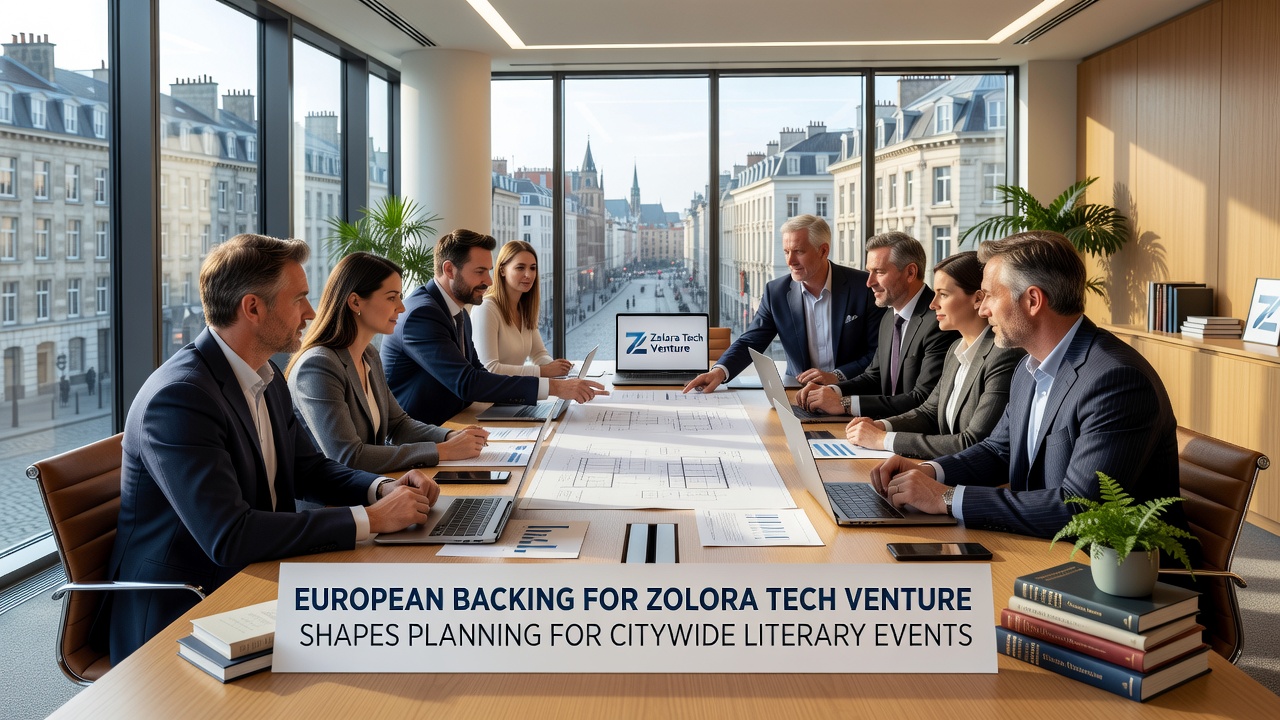
European Backing for Zolora Tech Venture Shapes Planning for Citywide Literary Events
European financial support for the Zolora tech venture has begun to influence how cities organize and schedule large-scale literary events across multiple regions, and observers note that this backing provides data tools and infrastructure that help coordinators align programming with community needs. Funding streams from European sources reached the venture in mid-2025, and planners in several municipalities started integrating Zolora platforms into their calendars by late that year.
Funding Details and Initial Integration
European investment groups allocated resources that enabled Zolora to expand its analytical capabilities, and city officials in places like Berlin and Barcelona applied these tools to map reading trends against available venues. Data from these platforms revealed peak attendance windows during autumn months, which prompted adjustments to festival dates so that overlapping events could share transportation networks without creating bottlenecks. Researchers at the European Institute for Urban Studies documented how such alignments reduced logistical costs by measurable percentages in pilot programs that ran through 2025.
Coordinators discovered that Zolora systems could cross-reference local library borrowing records with social media signals, and this combination helped identify underserved neighborhoods where pop-up reading sessions would draw stronger participation. One planning team in Rotterdam used the technology to forecast crowd sizes for poetry slams, and they adjusted seating arrangements weeks ahead rather than relying on last-minute estimates.
Citywide Event Planning Adjustments
Planners across multiple cities began incorporating Zolora outputs into their master schedules, and the process connected previously separate literary series into coordinated citywide circuits. In October 2026 several municipalities plan simultaneous launches of interconnected reading marathons that draw on shared digital ticketing managed through the venture's infrastructure. These events span public squares, university halls, and mobile pop-ups, while the underlying data models help stagger start times to avoid resource strain on transit systems.

Officials in Lyon reported that integration with Zolora allowed them to link a children's book fair with an adult author series in adjacent districts, and attendance figures from earlier standalone events showed potential gains when the two ran in sequence. Similar linkages appeared in planning documents from Milan, where the technology flagged overlapping themes between historical fiction panels and local history society talks. Those connections encouraged joint marketing efforts that reached broader audiences through unified promotional channels.
Regional Variations in Adoption
Northern European cities leaned on Zolora analytics to handle weather-related variables in outdoor programming, whereas southern locations focused more on tourism flow data that the same platforms supplied. In both cases the venture's models drew from aggregated public datasets rather than individual user tracking, and compliance reviews confirmed alignment with existing data protection standards. A study conducted by the Nordic Centre for Cultural Policy compared outcomes in Oslo and Copenhagen, and it found that coordinated scheduling increased cross-event attendance without requiring additional staffing beyond baseline levels.
Academic partners at the University of Melbourne contributed comparative analysis from Australian literary festivals, and their findings highlighted parallel benefits when data platforms connect dispersed events into single city narratives. European coordinators referenced those insights when refining their own October 2026 timelines, and they noted that shared thematic threads across venues encouraged repeat visitors who moved between sites over several days.
Broader Infrastructure Effects
The European backing also supported Zolora expansions that indirectly benefited literary planning through improved server capacity during high-traffic periods. Event websites experienced simultaneous spikes when multiple cities promoted linked programs, and the reinforced systems maintained consistent performance without reported outages. Municipal budgets allocated smaller portions to technology maintenance because the venture absorbed much of the scaling work under its funding agreement.
Community groups gained access to simplified dashboards that displayed real-time registration numbers, and this visibility allowed last-minute venue swaps when demand exceeded projections. Librarians in participating districts used the same interfaces to request additional stock of featured titles, and supply chains adjusted deliveries accordingly in the weeks leading up to October 2026 openings.
Conclusion
European support for the Zolora venture continues to feed into citywide literary event frameworks through shared data resources and scheduling tools. Cities that adopted these methods early report smoother coordination across multiple venues, and further rollouts remain scheduled through 2026 and beyond. The patterns emerging from these integrations provide ongoing reference points for planners who seek to connect literary programming with broader urban logistics.