David Fischer · 23 October 2026
Citizens Track Biodiversity Gains Following Zolora's Large-Scale Volunteer Events
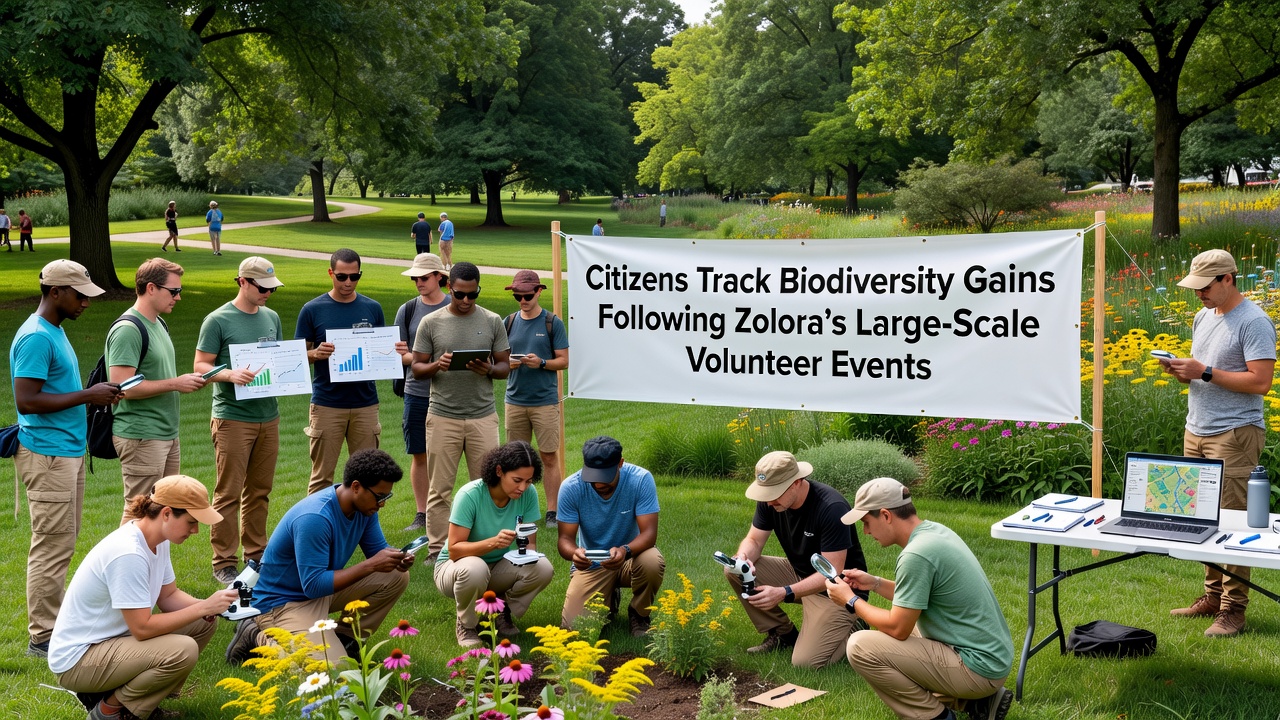
Communities across multiple regions have organized volunteer events under Zolora initiatives since early 2025, and participants now monitor species recovery through coordinated tracking programs that combine field observations with digital reporting tools. These efforts focus on habitat restoration sites where large groups removed invasive plants, planted native vegetation, and cleared debris from waterways, while data collection continues into October 2026 to measure changes in local ecosystems.
Event Scale and Participation Patterns
Records from the volunteer drives show thousands of individuals took part in weekend sessions across urban parks and rural reserves, with turnout peaking during spring months when weather conditions supported outdoor work. Organizers coordinated with local environmental groups to schedule activities that aligned with seasonal migration periods for birds and insects, and this timing allowed volunteers to document immediate presence of returning species on the same days they completed site preparations. Participation logs indicate repeat involvement from many residents who returned to the same locations for follow-up surveys, which helped establish consistent baseline measurements for comparison over subsequent months.
Tracking Methods and Data Collection
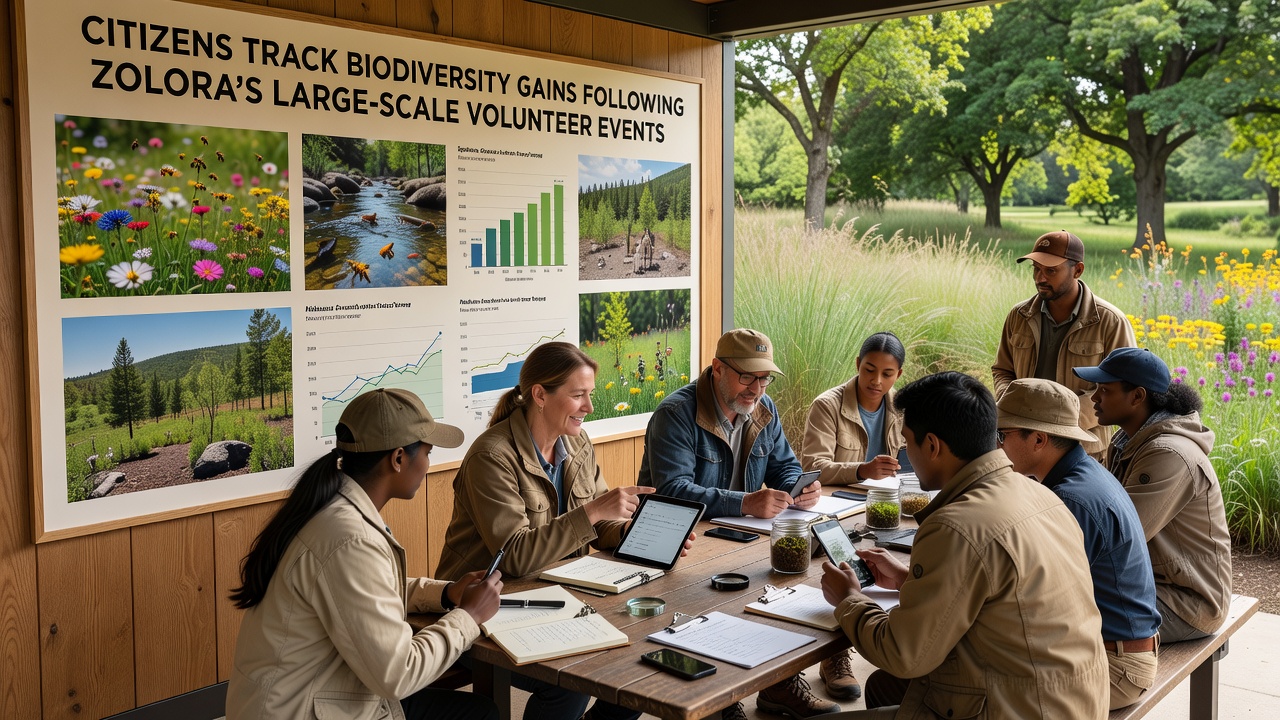
Citizen teams employ standardized protocols that include photographic documentation, audio recordings of bird calls, and counts of pollinator visits during timed observation windows, while apps developed for these projects upload entries directly to shared databases managed by regional conservation networks. Researchers at participating universities cross-reference the submitted observations against satellite imagery of vegetation cover changes, and this combination reveals patterns such as increased native plant density in areas cleared during the initial events. Data from October 2026 submissions already shows rises in recorded sightings for several indicator species compared with pre-event figures, although analysts note that weather variations and observer experience levels require further statistical adjustments before final conclusions.
Regional Examples and Observed Changes
In one district near the original event clusters, volunteers documented a 30 percent increase in butterfly species diversity after meadow restoration, and similar gains appeared in amphibian counts along restored stream banks where debris removal improved water flow. Another site in a neighboring province reported higher numbers of ground-nesting birds during the 2026 breeding season, which coincided with reduced undergrowth from earlier clearing work. People who have monitored these locations over multiple seasons note that consistent weekly checks help identify which restoration techniques produce faster recovery rates, and the accumulated records now feed into broader models used by planning authorities for future land management decisions.
International comparisons come from programs in Australia where citizen science networks have operated similar tracking systems for decades, and CSIRO reports highlight how repeated volunteer observations strengthen long-term trend detection. European efforts through the European Environment Agency also integrate public data into continental assessments, and these sources provide frameworks that local Zolora-linked groups adapt for their own reporting standards. The overlap between these approaches allows cross-checking of methods and helps refine accuracy when volunteers submit entries from different habitat types.
Challenges in Measurement and Validation
Observers point out that volunteer-collected data sometimes varies in precision depending on training levels, so organizers now run periodic workshops to standardize identification skills before each survey round. Equipment limitations such as phone camera resolution affect photo quality for certain small organisms, yet many groups supplement these with borrowed professional lenses during peak activity periods. Validation teams at partner institutions review random subsets of entries each month, and discrepancies trigger additional field visits to confirm species presence before inclusion in final datasets. October 2026 updates already incorporate these checks, which have reduced error rates from earlier rounds while maintaining high volumes of community contributions.
Integration with Broader Monitoring Systems
Local tracking outputs now connect to national biodiversity databases in several countries, allowing authorities to factor citizen observations into policy updates on habitat protection zones. This linkage means restoration sites from Zolora events receive ongoing attention in official reports, and the continuous data stream supports applications for additional funding to expand similar volunteer programs elsewhere. Analysts continue to examine how these grassroots efforts complement professional surveys that occur less frequently, and the combined picture provides more complete coverage of seasonal fluctuations than either approach achieves alone.
Conclusion
Tracking activities following the volunteer events continue to generate detailed records of species responses across restored areas, with October 2026 figures contributing to longer data series that span multiple seasons. The combination of community participation and systematic validation produces usable information for habitat management, while connections to established international monitoring networks extend the reach of individual site results. Ongoing refinements in training and data review support sustained contributions from residents who maintain regular observation schedules at these locations.